War Memorial
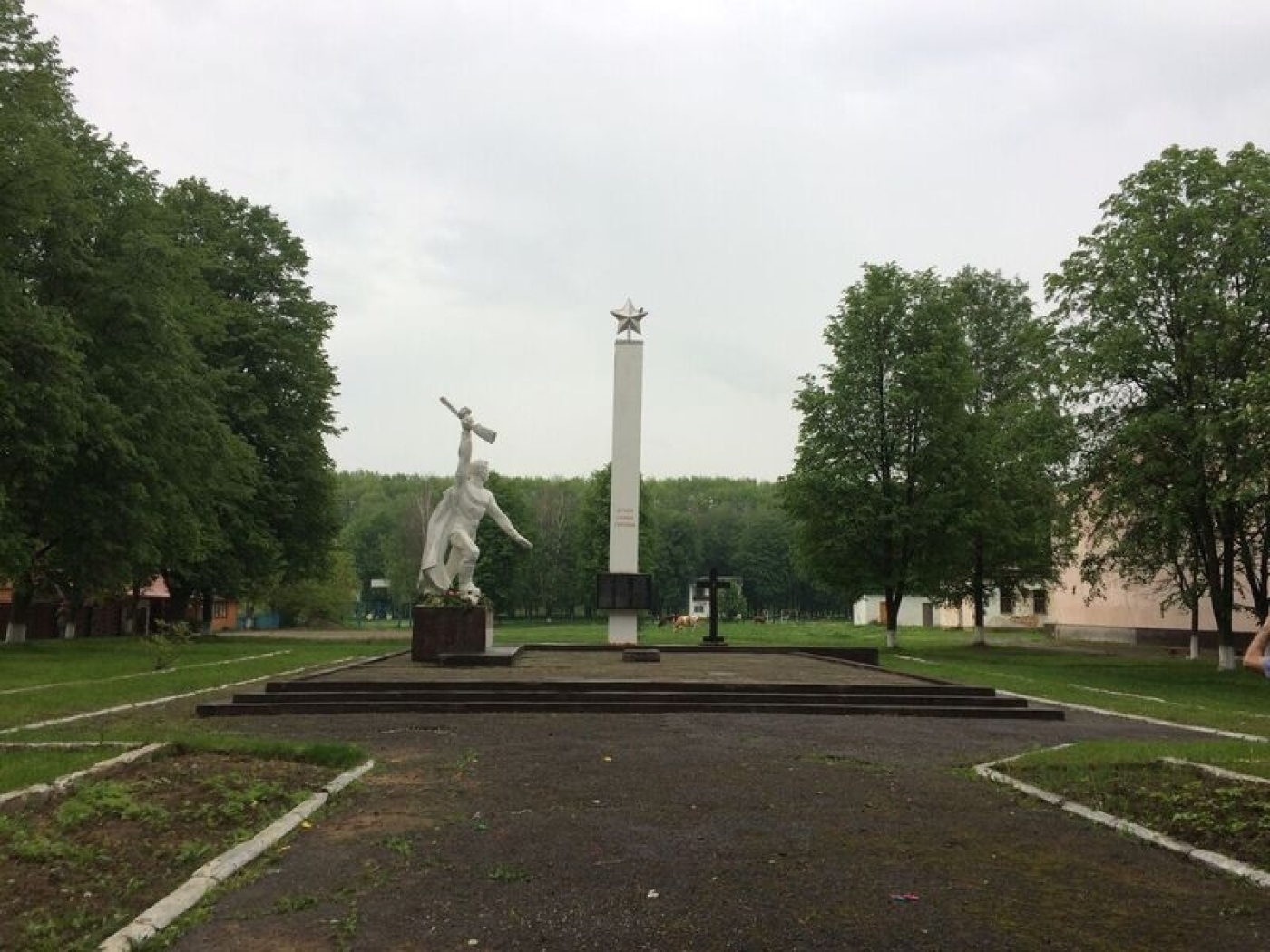
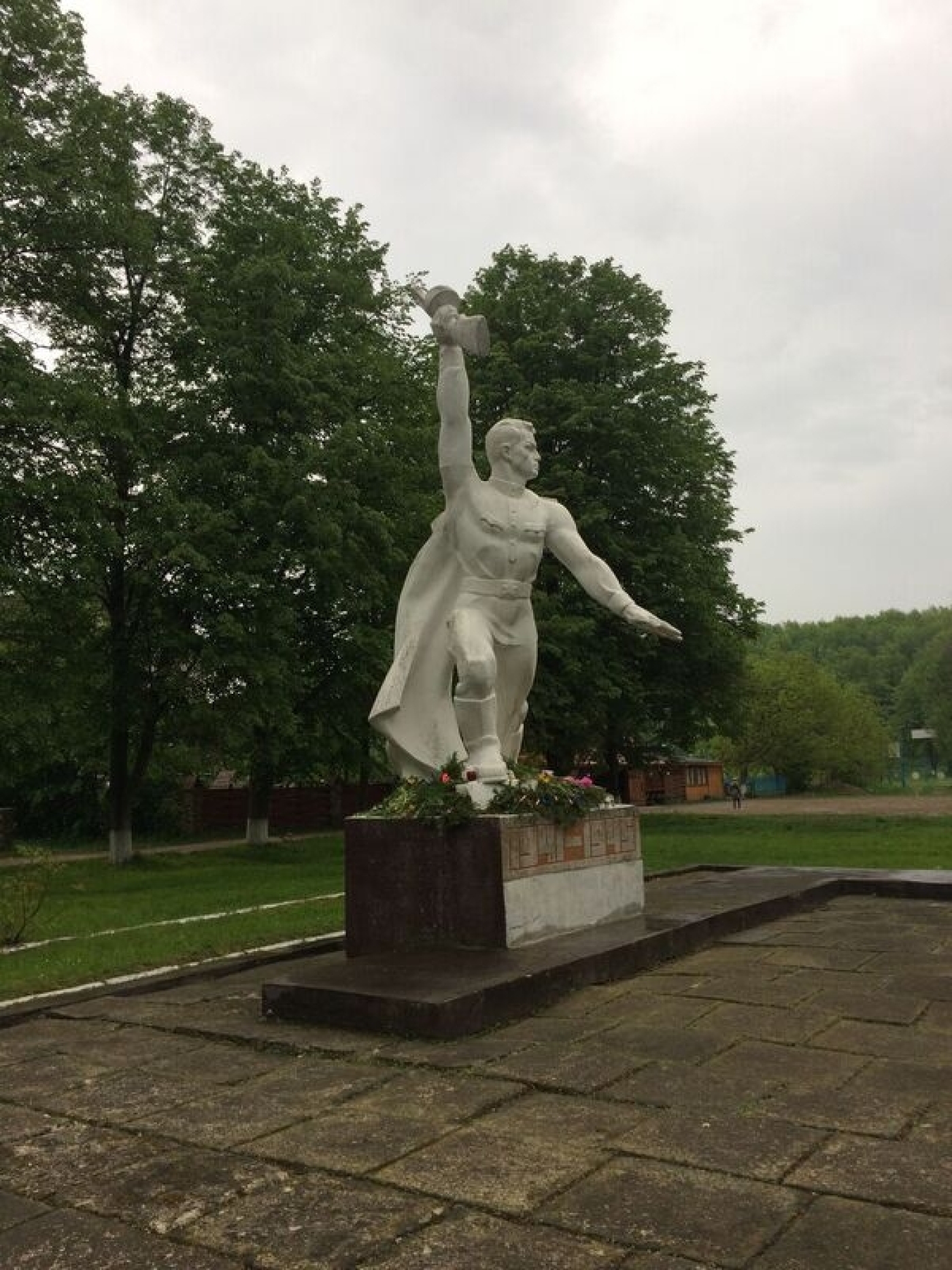
To the far left of the memorial ensemble is a slightly higher square dedicated to the Soviet soldiers of the Second World War. This memorial includes a square obelisk with a star on top and a plaque with the names of the fallen soldiers. The plaque reads in Ukrainian: “Eternal peace to the heroes”. Next to the obelisk, which is much smaller, is a cross and in front of it, apparently facing backwards towards the obelisk, is a soldier with his rifle raised. The soldier stands on a pedestal with the dates “1941-1945”, which correspond to the Soviet war years.
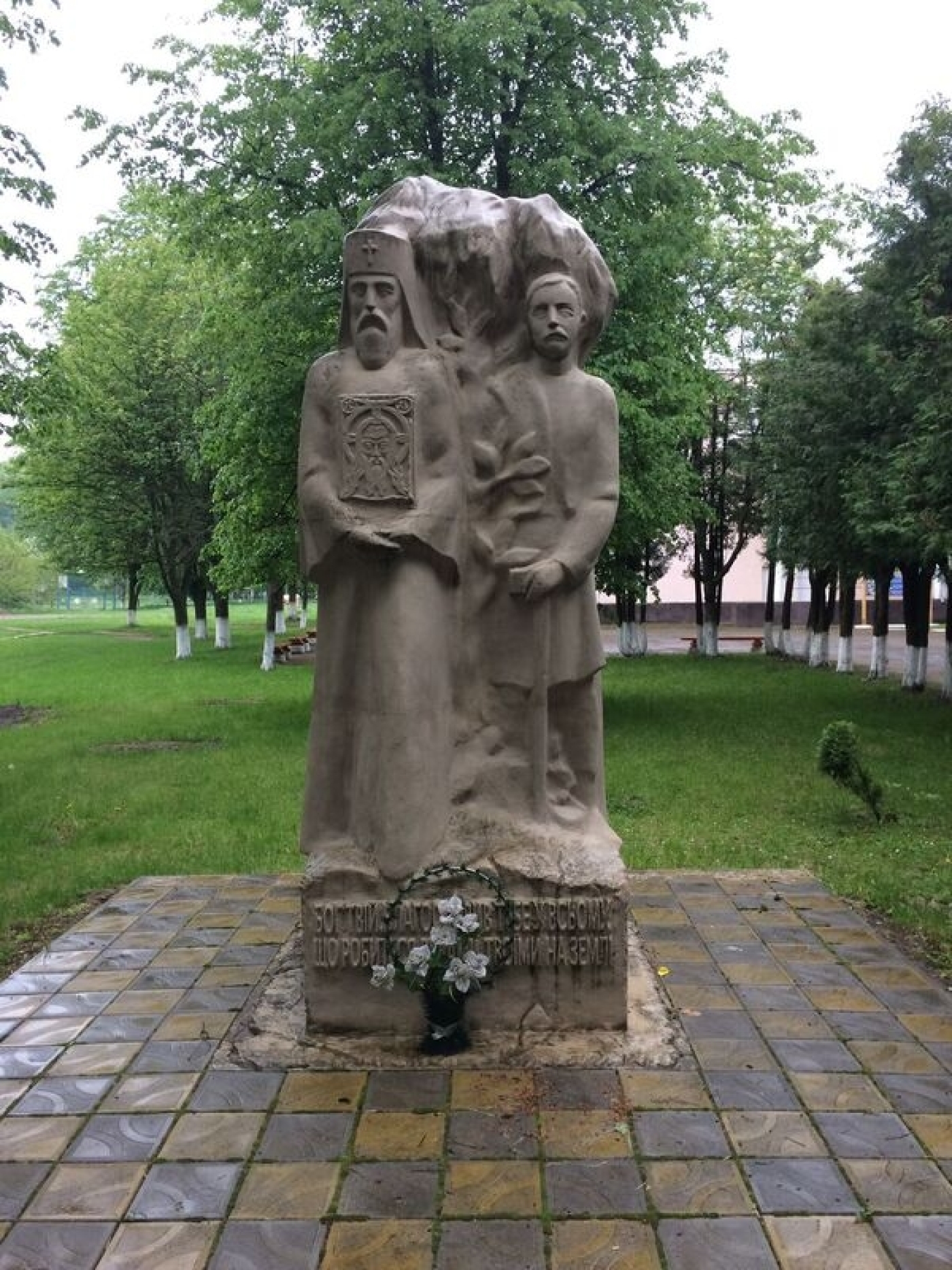
Monument to the rescue of the Jews at Ispas in 1941
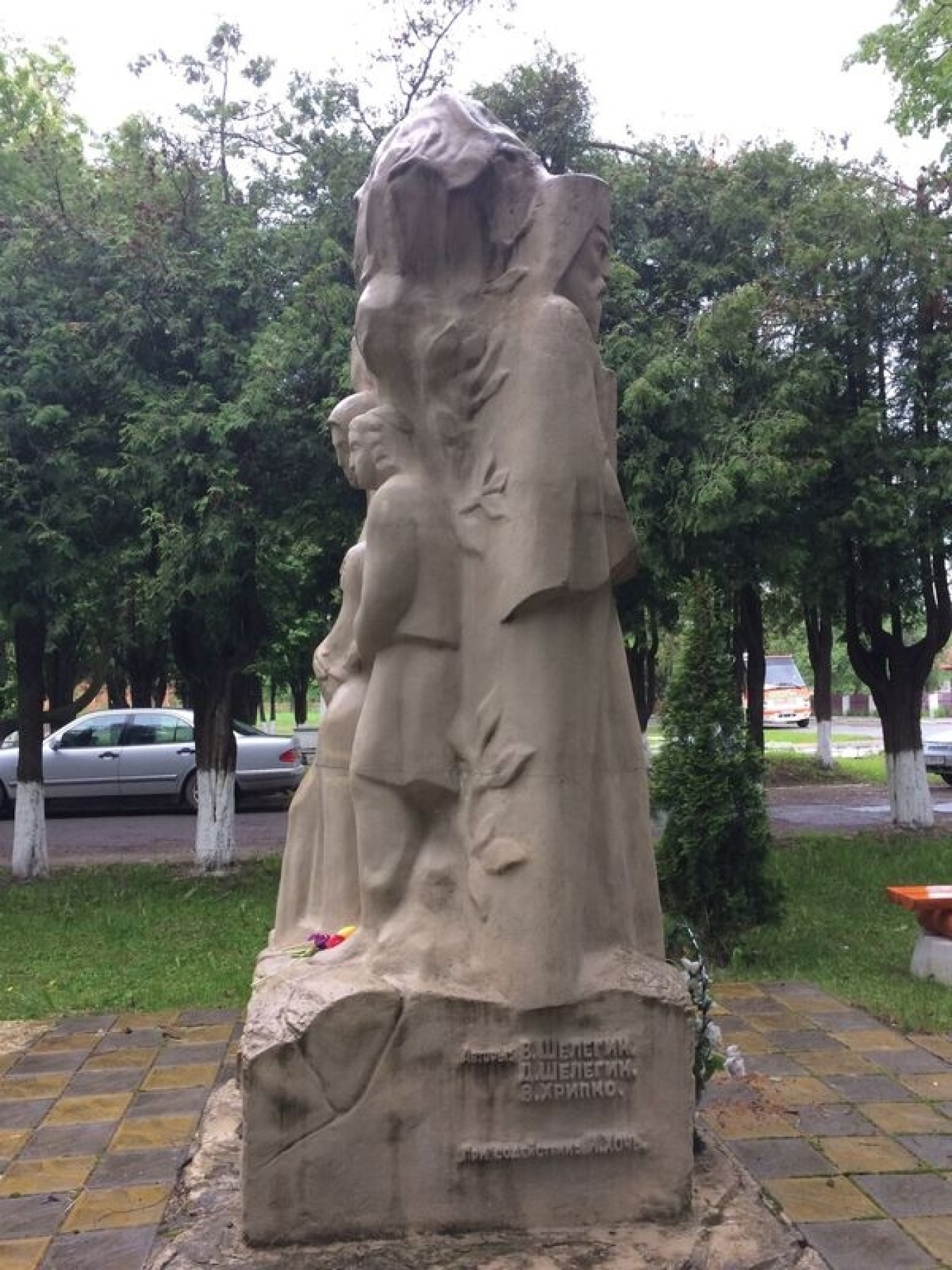
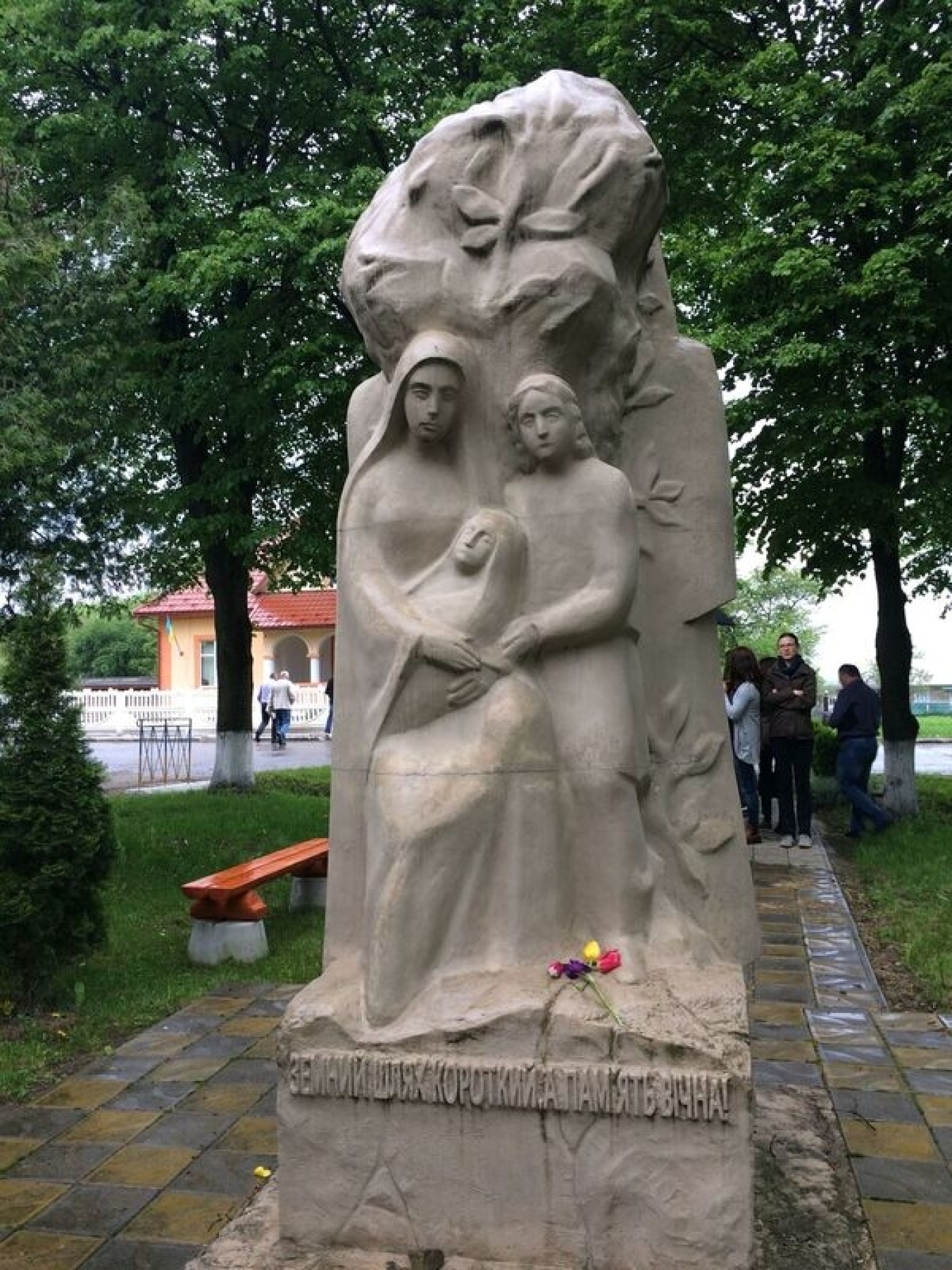
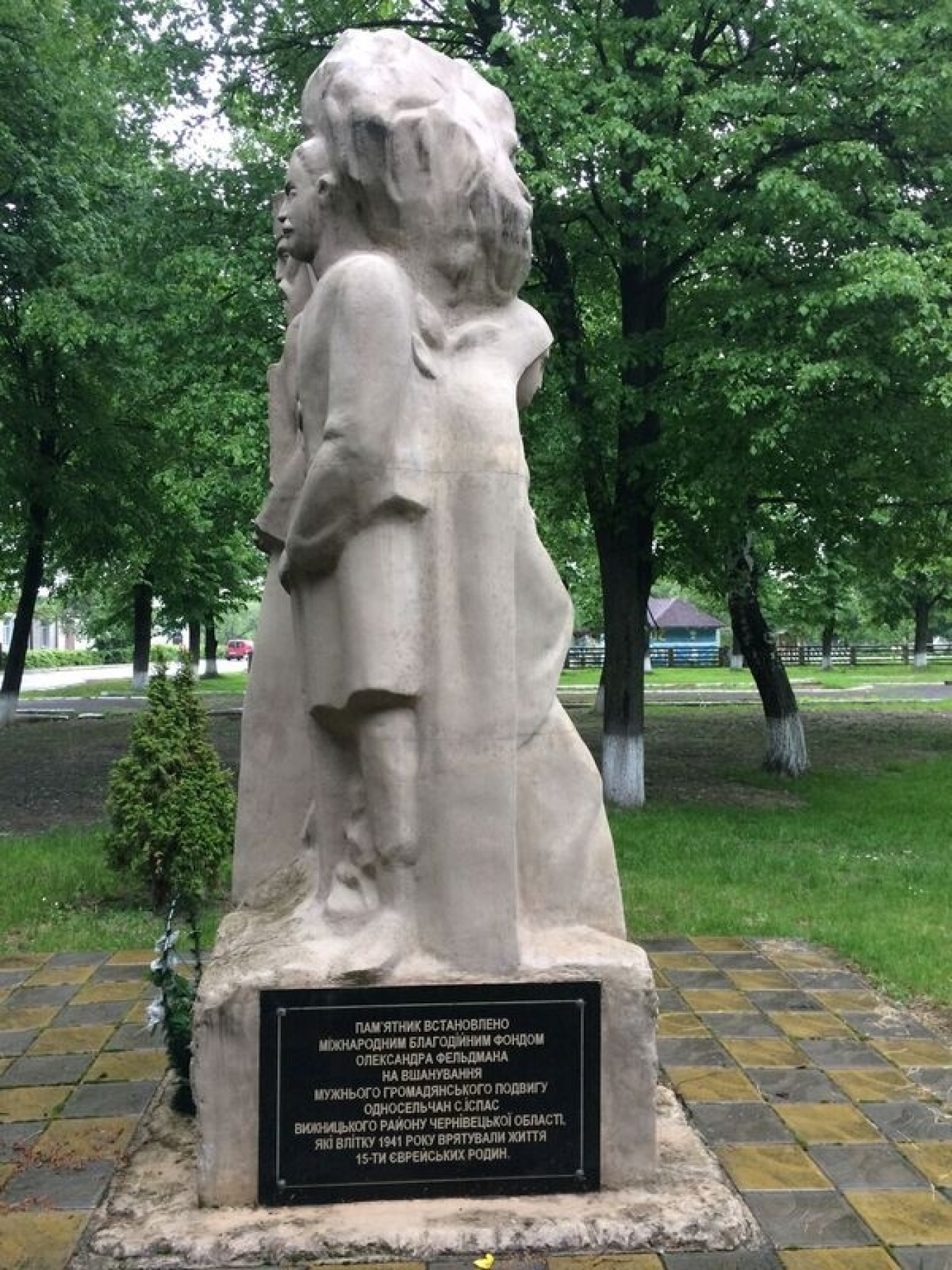
The memorial in the centre of the square was erected in the late 1990s and dates back to 1941. It is said that about 300 people of Jewish origin were saved in Ispas that year. An agitated crowd from the surrounding villages called for the execution of the Jews of Ispas. The Orthodox priest and mayor of the village, Denis Ivan, had confronted the crowd with some of the population and did not allow this to happen. The rescue of the Jews was unique in the villages of the region; in most other villages they had been expelled or murdered. The monument was erected in gratitude and in memory of the people who stood up to the violent group. It consists of several people carved in stone, inscriptions and plaques. The front represents the event of the rescue and shows the priest and another villager, while the back shows the Virgin Mary.
The writer Josef Burg immortalised the rescue of the Jews from Ispas in one of his stories. In his story, the priest rings the bells as a signal of approaching danger, causing the villagers to take to the streets. As a result, the mob does not venture into the village. The name of the village itself contributes its own part to the story of the saved Jews: If the 'I' in 'Ispas' is dropped, the word translates as 'someone is saved'.
Taras Ševčenko
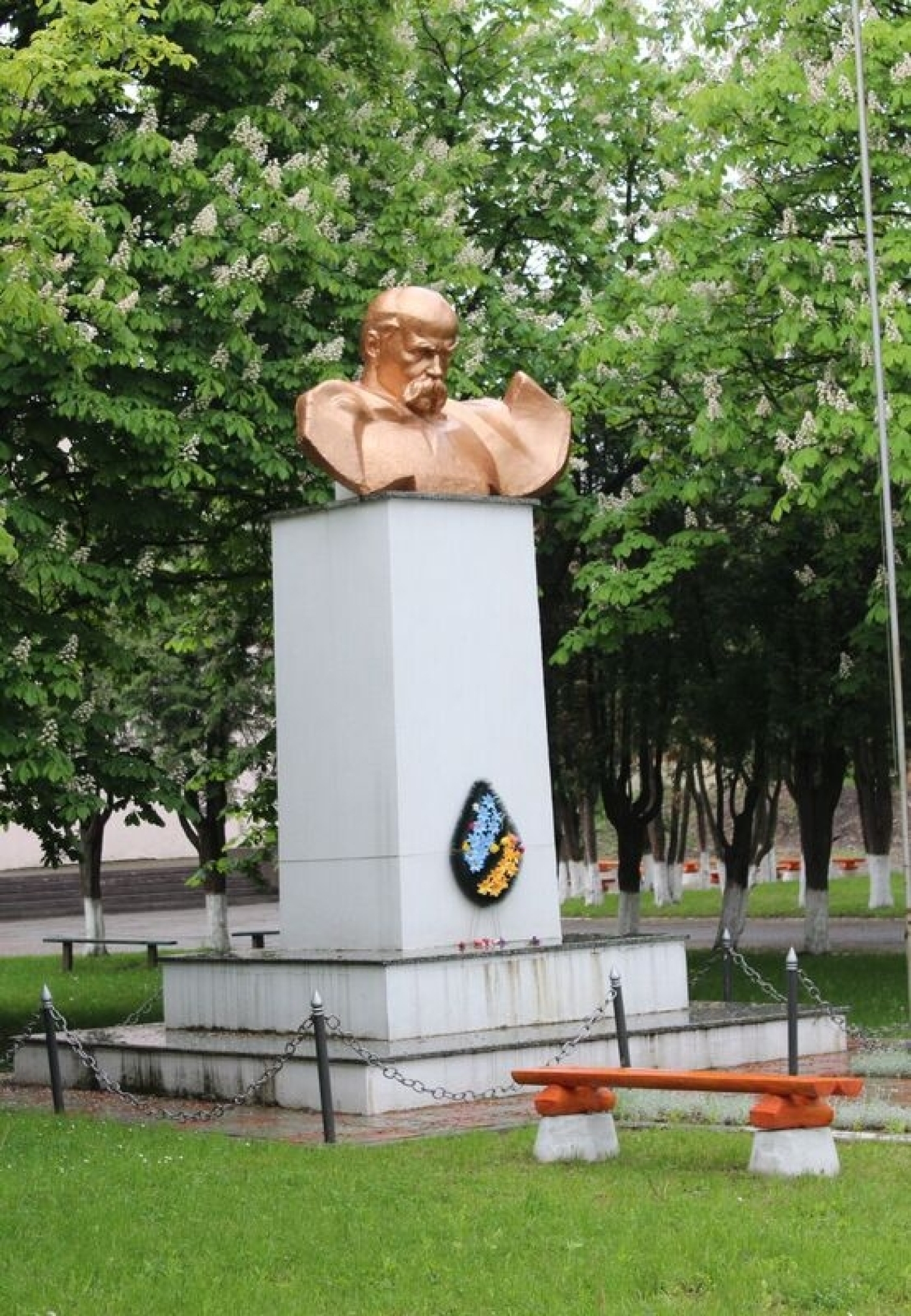
Another monument on the square depicts the Ukrainian national poet Taras Shevchenko, who is important to Ukrainian commemorative culture because of his influence on the national movement and the establishment of the Ukrainian written language.
Text: Marit Haferkamp